
The Study at a Glance
Open access · PubMed indexed · PMC3781917
Journal
Open Access Journal of Sports Medicine
Authors
Drozdovski A, Gromova I, Korotkov K, Shelkov O, Akinnagbe F
Institutions
St. Petersburg Federal Research Institute of Physical Culture + Georgetown University
Athletes
18 Paralympic skiers and biathletes, Russian national team
In This Guide
The Backstory: GDV and Russian Sport Science
Here's something most people in Western wellness circles don't know: GDV technology has been accepted by the Russian Ministry of Sport as one of several techniques used to rapidly evaluate athletes' psycho-physiological state. This isn't fringe adoption — it's institutional, embedded in a national sports program that has produced some of the world's most successful Olympic and Paralympic teams.
The story starts at the Saint Petersburg Federal Research Institute of Physical Culture and Sport — Russia's premier sports science laboratory. Beginning in the early 2000s, Professor Pavel Bundzen and Professor Korotkov introduced GDV bioelectrography into sports psychology practice. Over the next two decades, they developed automated expert systems for diagnosing athletes' health status and psychophysical potential.
The Question Behind the Study
Can a 60-second fingertip scan predict whether an athlete is psychologically and physically ready to compete — before they step onto the course?
The Paralympic Study: What They Measured
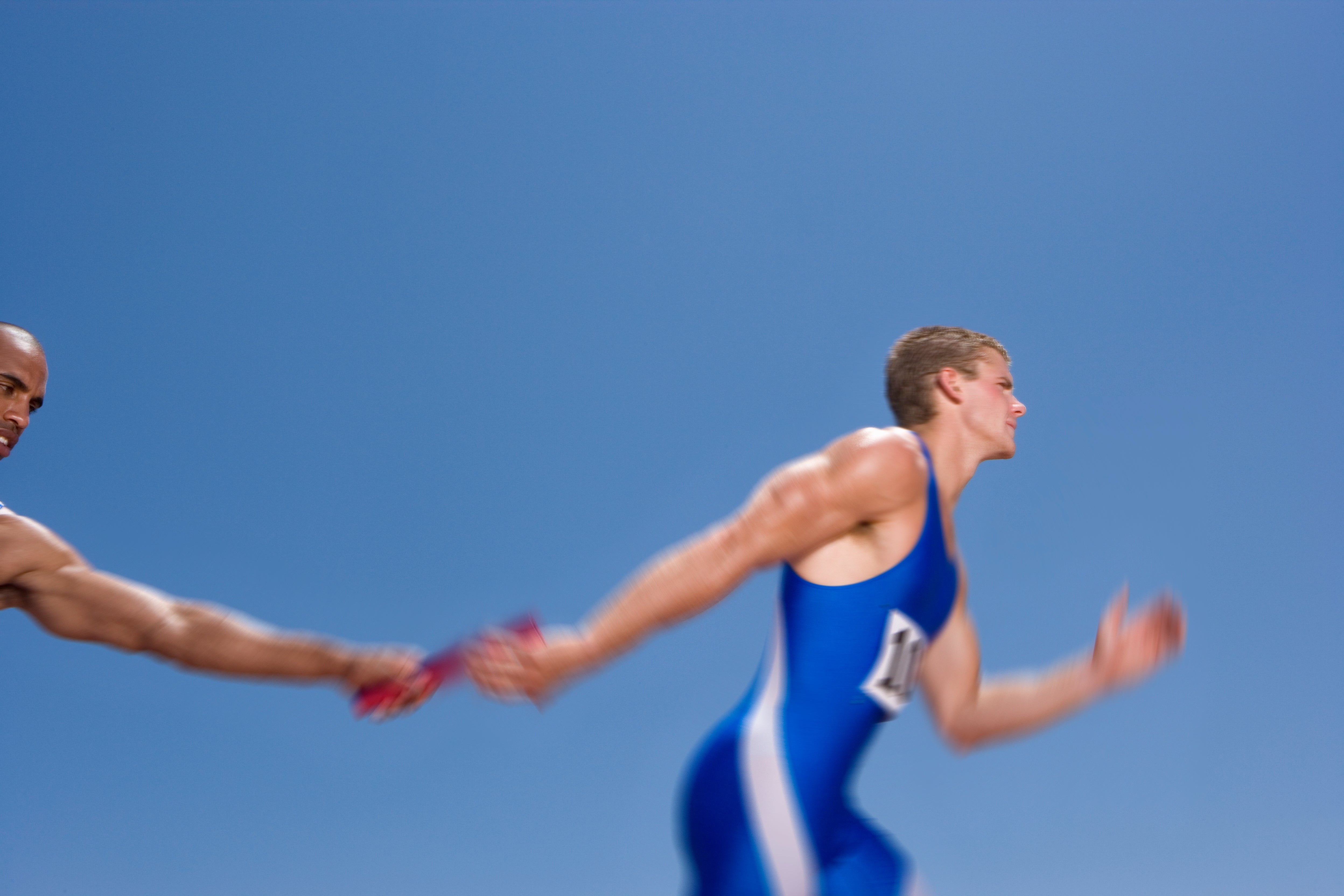
Eighteen athletes from Russia's Skiing and Biathlon Paralympic Team were tested during training (in Russia and a training camp in Norway) and during international competition — including the World Cup. All athletes had some level of musculoskeletal damage. Both GDV and galvanic skin response (GSR) were used to measure three key parameters:
⚡ Energy Potential (EP)
Measured as a percentage from 0–100%. EP = 100% correlates with high competitive readiness and high energy reserves. Think of it as your biological "battery gauge."
📊 Stress Level (SL)
Reflects the level of physiological stress the athlete is carrying. Lower is better — a low SL means the autonomic nervous system is balanced and recovery is adequate.
🧠 Psycho-Emotional Tension (PET)
A composite measure of mental and emotional readiness. Too much tension impairs performance; too little means insufficient arousal for competition.
Interactive: Four Key Discoveries
Tap each finding to see what the data revealed about the connection between energy scans and athletic performance:
The Training Effect: A Surprising Insight
Perhaps the most unexpected finding had nothing to do with predicting race results. It was about what athletic training itself does to the body's energy field.
The researchers found no significant differences between Paralympic athletes and a healthy, non-disabled population in their GDV readings. Think about that: these athletes had musculoskeletal damage — conditions that in non-athletes produced "much worse states of their psycho-physiological condition." Yet their energy profiles matched healthy, able-bodied individuals.
Non-athletes with same disabilities
Showed significantly worse psycho-physiological states in GDV scans — lower energy, higher stress.
vs.
Paralympic athletes with same disabilities
Matched healthy, able-bodied populations in energy and stress parameters — training had normalized their profiles.
The implication: Athletic training may maintain (or restore) the body's energy homeostasis even in the presence of physical disability. The researchers concluded that this "suggests that athletic training may play a vital role in maintaining the body's energy level along with other key homeostatic parameters." If GDV is measuring something real, then exercise and training appear to measurably improve it.
How Athletes and Coaches Use Bio-Well Today
Based on this research and continued institutional use, here's how GDV/Bio-Well technology is applied in sport settings:
📋
Team selection
GDV parameters of athletes at rest serve as one criterion for national team selection, reflecting psychophysical potential at the moment of assessment.
⏰
Circadian optimization
A 2016 follow-up study used GDV to assess Paralympic athletes' circadian rhythms, helping coaches schedule training and competition at optimal biological times.
🔄
Recovery monitoring
Before/after scans track whether training sessions are building energy reserves or depleting them — helping coaches adjust training load in real-time.
🧘
Mental readiness checks
Pre-competition scans assess psycho-emotional tension — giving coaches objective data to supplement athletes' self-reported mental state.
🏅
Long-term tracking
Seasonal energy profiles help identify each athlete's peak performance windows and periods when they're most vulnerable to overtraining or injury.
What the Study Can't Tell Us
Small, specialized sample (n=18)
Eighteen Paralympic skiers from one national team is a highly specific population. The findings may not generalize to other sports, ability levels, or non-elite athletes.
Russian institutional context
GDV's acceptance by the Russian Ministry of Sport reflects the Russian medical establishment's openness to bioelectrographic methods — a position not shared by most Western sports medicine organizations.
Korotkov is a co-author
As with the colon tumor study, the technology inventor is a co-author. Independent replication by teams without GDV technology affiliations would strengthen these findings significantly.
Correlation direction unclear
Pre-race stress predicted worse results — but does stress cause poor performance, or does knowing you're underprepared cause stress? The study shows correlation, not the direction of causation.
The honest bottom line: This is the only GDV study in our evidence series that directly connects energy scans to real-world performance outcomes. Pre-race GDV measurements predicted actual race results in World Cup competition. That's a powerful finding — published in a peer-reviewed, PubMed-indexed sports medicine journal — that goes beyond correlation with lab values to correlation with what actually matters: how the athlete performs. But the small sample and institutional context mean it should be interpreted as strong preliminary evidence awaiting broader validation.
Read the full study
The complete paper is freely available on PubMed Central.
Sources Cited in This Article
- Drozdovski A, Gromova I, Korotkov K, Shelkov O, Akinnagbe F. "Express-evaluation of the psycho-physiological condition of Paralympic athletes." Open Access J Sports Med. 2012;3:215-222. PMC3781917 → · PMID: 24198605 →
- "Prediction of the competitive readiness of Paralympic athletes on the basis of assessment of the circadian rhythm by GDV method." J Adaptive Physical Culture. 2016;2:20. Referenced on Bio-Well Science page →
- "Excellence in sport performance: The Russian psychophysiological approach." BIO Web of Conferences 48, 01018 (2022). PDF →
- IUMAB: GDV in Sport — research summary. iumab.org/gdv-in-sport →
- Korotkov, K. "Review of EPI papers 2008–2018." Int J Complement Alt Med. 2018;11(6). DOI →


Share:
Leukocyte Counts and GDV: What Blood Markers Reveal About Energy Patterns
How to Add Bio-Well to Your Holistic Practice: A Step-by-Step Guide